
· 9 min read
Trustpilot alternatives in 2026: why businesses are switching
More and more businesses are typing "Trustpilot alternative" into Google. Not out of trendiness, but out of frustration: paywalls, disputed removals, opaque scoring. Here's what to look for in a review platform — and why transparency is becoming the deciding factor.
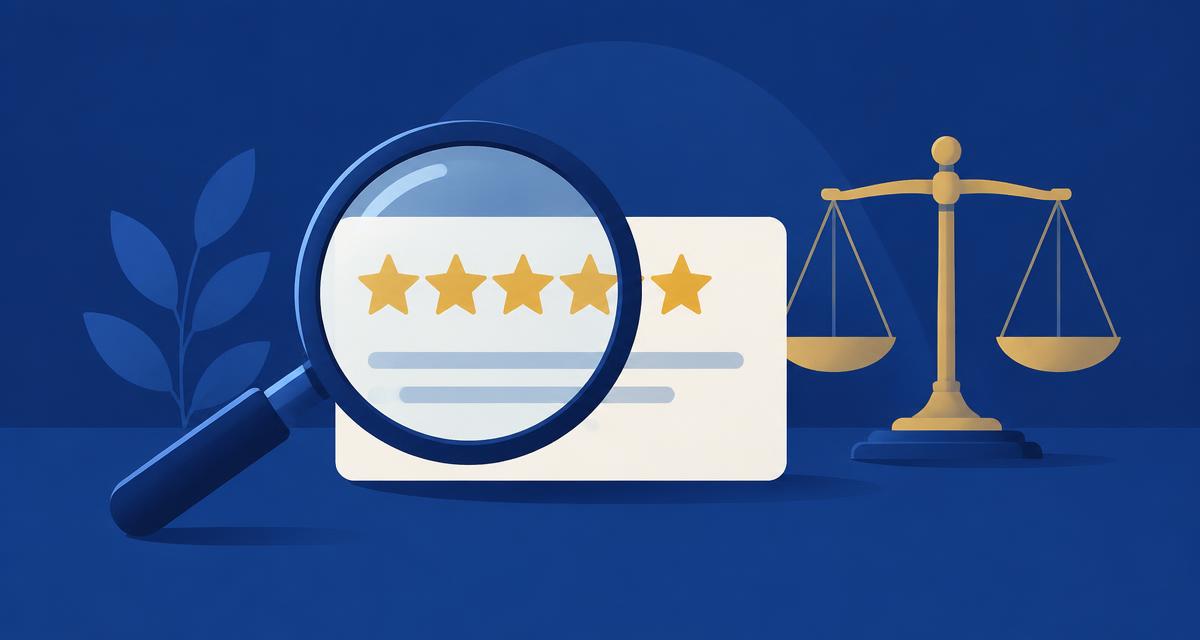
Trustpilot is the name everyone knows. With millions of reviews, it has become the default answer when a consumer wants to check a business — and the default choice when a business wants to collect reviews. But defaults get questioned. Searches for "Trustpilot alternative", "is Trustpilot reliable" and "fake Trustpilot reviews" keep growing, and they come from both sides: consumers who doubt what they read, and businesses who feel the rules are stacked against them.
This article looks at why the market leader is being challenged, what a genuinely better review platform should guarantee, and how byLegit — a French, GDPR-first platform launched in 2026 — approaches the problem differently.
Why businesses look for a Trustpilot alternative
The criticisms are remarkably consistent, whether you ask small shop owners or large e-commerce teams:
- The useful features sit behind expensive plans. Replying to reviews, customizing your page or getting decent analytics often requires a paid subscription that small businesses can't justify.
- The scoring feels opaque. How exactly a rating is computed, and why some reviews seem to count more than others, is hard to explain to your own customers.
- Fake reviews slip through while genuine ones get flagged. Many merchants tell stories of real customer reviews removed after an automated flag, while suspicious bursts of 5-star ratings stay up.
- Consumers increasingly know all of this — which erodes the very trust the platform is supposed to create.
None of this means Trustpilot is useless. It means the market is ready for platforms whose entire design answers these criticisms instead of working around them.
What a trustworthy review platform should guarantee
Before choosing any review site — as a business or as a reader — check these five points. They matter more than the size of the review database.
1. The score formula is public
If a platform can't explain exactly how a rating is calculated, you can't verify it. On byLegit, the full formula is displayed on every company page: each review's weight combines community votes with a content-quality factor (bounded between 0.25 and 3), and the rating is the weighted average of published reviews. Anyone can recompute the score by hand.
2. Businesses can't buy their way out of bad reviews
Paying should never change a rating. On byLegit, claiming a page is free, and claimed companies can reply publicly and correct their details — but they can never delete, hide or reorder reviews. A 1-star and a 5-star review follow identical rules.
3. Verification doesn't require spying on customers
The strongest signal that a review is real is proof that the reviewer actually was a customer. byLegit's verified customer badge relies only on a hashed email signal supplied by the site itself — never on a customer list being uploaded. Reviewers keep control of their name, photo and verification data, and can erase them at any time.
4. Privacy is a feature, not a legal paragraph
A review platform handles opinions about real businesses written by real people. GDPR-first means: data minimization by design, no resale of reviewer data, and clear controls in the user's privacy settings — including the ability to see every site where you used "Sign in with byLegit" and revoke access in one click.
5. The rules are written down — and binding
byLegit's ethics charter is public and binds every claimed company: the verification API is reserved for real customers, purchased lists and profiling are forbidden, data minimization is mandatory, and graduated sanctions apply. A platform that publishes its own rules accepts to be judged by them.
What changes for consumers
If you're a reader rather than a business, the alternative question is simpler: which reviews can you believe? A few practical reflexes:
- Prefer platforms where the score formula is visible — a rating you can recompute is a rating you can trust.
- Look for verified customer badges, and check what "verified" actually means on that platform.
- Read how the business replies to negative reviews. Calm, factual answers tell you more than the star count.
- Cross-check on two platforms. A business that looks great everywhere except one site deserves a second look.
Switching as a business: what it actually takes
Moving to a new review platform is easier than most merchants expect, because the valuable part — your customers' genuine experiences — doesn't belong to any platform.
- Claim your page for free (work email or DNS TXT record — both take minutes).
- Complete your profile: category, description, logo, cover image.
- Invite your customers to leave a review after a purchase or support interaction — all of them, not just the happy ones.
- Reply to reviews, especially the negative ones. Readers judge the answer as much as the complaint.
- Embed the widget on your site so visitors can verify your reputation without leaving your pages.
Everything listed here is free on byLegit. The business model never touches the integrity of the reviews — that's the point of the platform.
The bottom line
The question is no longer whether review platforms matter — they decide purchases every day. The question is whether the platform you rely on can prove its own fairness. A public score formula, free page claims, reviews that can't be bought or buried, and privacy by design: that's the standard to hold every review site to, including ours. Trust doesn't need a pilot. It needs proof.
Frequently asked questions
- Is Trustpilot reliable?
- Trustpilot hosts millions of genuine reviews, but its scoring is opaque and many useful business features require paid plans. Whatever platform you use, prefer ones where the rating formula is public and businesses cannot pay to influence reviews.
- What is the best free Trustpilot alternative?
- byLegit is a free, GDPR-first alternative launched in 2026: claiming a page, replying to reviews, verified customer badges and widgets are all free, and the score formula is published on every company page.
- Can a business delete a bad review on byLegit?
- No. Claimed companies can reply publicly and report reviews that break the rules, but no one can pay to remove, hide or reorder an authentic review. 1-star and 5-star reviews follow identical rules.
- How are fake reviews handled?
- byLegit uses anti-fraud controls (hashed IP duplicate detection, content-quality weighting) and an ethics charter with graduated sanctions for companies that attempt manipulation.
Ready to prove you're legit?
Claim your page for free and start collecting verified reviews.
Discover byLegit Business